Skin does not need to be completely smooth to be healthy, but when its texture changes, you may notice that it feels rough, bumpy or uneven. Make-up may no longer sit as smoothly, pores can appear more noticeable and the complexion can lose some of its natural freshness.
At Pure Perfection, we look at what is contributing to changes in texture before deciding how best to treat them. Depending on your skin, this may mean improving hydration and surface exfoliation, stimulating collagen renewal or using more advanced treatments to address deeper textural changes.
What is Rough Skin Texture?
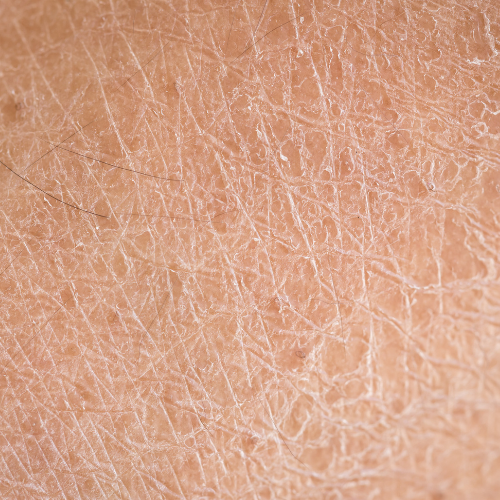
Rough skin texture describes skin that no longer feels or appears as smooth and even as it once did. It may feel dry or coarse to the touch, or you might notice small bumps, enlarged-looking pores, areas of congestion or an uneven surface.
Sometimes the change is relatively superficial and linked to dryness or a build-up of dead skin cells. In other cases, uneven texture can be associated with acne scarring, sun damage or changes in collagen as the skin ages.
Understanding the difference is important because not every type of rough texture requires the same treatment.
What Causes Rough Skin Texture?
A build-up of dead skin cells is one of the most common reasons skin begins to feel rough or dull. Dehydration and dryness can also make fine lines and uneven areas of the skin more noticeable.
Texture can also change as collagen and elastin levels naturally decline with age, while repeated sun exposure can contribute to a thicker, less even-looking surface and other signs of photodamage.
Blocked pores, acne and acne scarring may create more localised irregularities. Lifestyle, environmental exposure and using skincare that is unsuitable for your skin can also influence how smooth and healthy the complexion appears.
Treatments for Rough Skin Texture at Pure Perfection
The most appropriate treatment depends on whether the uneven texture is mainly affecting the surface of the skin or whether there are deeper changes such as enlarged pores, scarring or collagen loss.
HydraFacial
HydraFacial combines cleansing, exfoliation, extraction and hydration. It can be a good option for mild roughness, dullness and congestion, helping to remove surface build-up while leaving the skin feeling smoother and more hydrated.
Obagi Blue Radiance Peel
The Obagi Blue Radiance Peel provides controlled exfoliation to remove accumulated surface cells and encourage a fresher, smoother-looking complexion. It may be particularly useful when rough texture occurs alongside dullness, congestion or uneven skin tone.
Skin Needling – XCellaris Pro Twist
Skin needling creates controlled micro-injuries within the skin to stimulate its natural repair response and encourage collagen production. It can be considered for concerns such as uneven texture, enlarged-looking pores and acne scarring.
Secret RF
Secret RF combines microneedling with radiofrequency energy to target deeper layers of the skin. By stimulating collagen remodelling, it can help improve more noticeable textural irregularities, pores and acne scarring while also supporting skin firmness.
CO₂ Laser / Secret PRO
For more significant textural change, CO₂ laser resurfacing with Secret PRO may be considered. This provides a more intensive approach to skin renewal and can be used for concerns including rough texture, lines, sun damage and acne scarring. Your suitability and expected recovery will be discussed carefully before treatment.
Laser Genesis
Laser Genesis offers a gentler approach to skin rejuvenation, using controlled laser energy to support collagen production and improve overall skin quality. It may be recommended when the aim is to refine mild textural irregularities while improving the general appearance of the complexion.
Your treatment plan may involve one treatment or a combination of approaches, depending on what we see during your consultation and the degree of correction you are looking for.
FAQs
Why has my skin suddenly become rough?
Changes in hydration, skincare, weather, hormones or the skin barrier can all affect texture. If roughness develops suddenly or is accompanied by persistent irritation, redness or other symptoms, it is worth having the skin assessed rather than immediately introducing stronger exfoliating products.
Can rough skin texture be improved?
Yes, in many cases. The right approach depends on the cause and depth of the textural change. Superficial roughness may respond well to exfoliation and hydration, while scarring or collagen-related changes may require treatments that work more deeply within the skin.
Which treatment is best for uneven skin texture?
There is no single treatment that is best for everyone. HydraFacial or professional peels may be appropriate for more superficial concerns, while Skin Needling – XCellaris Pro Twist, Secret RF or CO₂ laser treatment may be considered for deeper textural changes.
Can rough skin be caused by dehydration?
Yes. When the skin lacks water, its surface can appear less plump and smooth, making fine lines and uneven texture more noticeable. Dryness and dehydration are not the same thing, so identifying what your skin actually needs is important.
How many treatments will I need?
This depends on the treatment chosen and the extent of the concern. Some treatments can leave the skin feeling refreshed after one appointment, while collagen-stimulating and resurfacing treatments are often planned as part of a course or longer-term skin programme.