Target Unwanted Skin Lesions. Restore Clearer-Looking Skin.
Small skin lesions such as warts, skin tags and other benign growths are common and often harmless. However, they can become uncomfortable, catch on clothing or simply be something you would prefer to have removed. Some lesions also change over time, making professional assessment important before deciding on treatment.
At Pure Perfection, cryotherapy offers a precise, minimally invasive way to treat suitable skin lesions using controlled freezing. By applying extremely cold temperatures to the targeted tissue, treatment damages the unwanted cells so that the lesion can gradually heal and separate from the surrounding skin. Every procedure begins with an assessment to establish whether cryotherapy is appropriate for the type of lesion present.
Cryotherapy is a relatively quick treatment that uses controlled freezing to remove or reduce suitable superficial skin lesions. Recovery and results depend on the type, size and location of the lesion being treated.
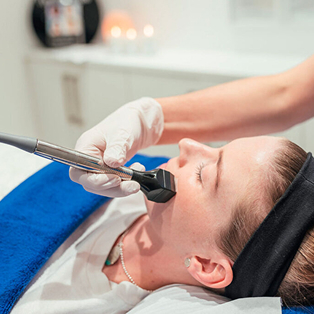
Cryotherapy uses extremely low temperatures to destroy targeted skin tissue. A freezing agent, commonly liquid nitrogen, is applied directly to the lesion, causing controlled damage to the cells. Over the following days, the treated tissue gradually breaks down and separates as the skin heals.
The treatment can be used for selected benign lesions, including certain warts, skin tags and superficial skin growths. However, not every lesion is suitable for freezing. Accurate assessment is important because some growths may require a different removal technique, monitoring or further medical investigation.
Your treatment begins with an examination of the lesion, including its size, appearance, location and any changes you have noticed. We’ll also discuss your medical history and determine whether cryotherapy is appropriate or whether further assessment is needed.
During treatment, a freezing agent is carefully applied to the selected area using an appropriate technique. The tissue rapidly cools, and you may experience a brief stinging, burning or aching sensation. The number and duration of freezing applications will depend on the lesion being treated.
Following treatment, the area may become red, swollen or develop a blister or small crust. This is part of the expected healing process as the damaged tissue separates. We’ll explain how to care for the area, what changes are normal and when to seek further advice.
Cryotherapy may be suitable for adults with selected benign skin lesions that are causing irritation, discomfort or cosmetic concern. It can be particularly useful for certain warts, skin tags and other superficial growths, provided the lesion has been appropriately assessed and freezing is considered a suitable removal method.
Removing a skin lesion begins with understanding what it is.
At Pure Perfection, we assess each lesion before recommending treatment rather than assuming that every visible growth should be frozen or removed. If a lesion is changing, unusual or potentially suspicious, we will recommend appropriate medical assessment rather than proceeding with cosmetic cryotherapy.
Following cryotherapy, the treated tissue gradually breaks down as the area heals. Some lesions form a blister or crust before separating naturally, leaving new skin beneath. The final appearance becomes clearer as redness and healing changes settle.
Some lesions respond to a single treatment, while others, particularly warts, may require repeated sessions. Successfully treated lesions may not return, although recurrence is possible and new lesions can develop elsewhere.
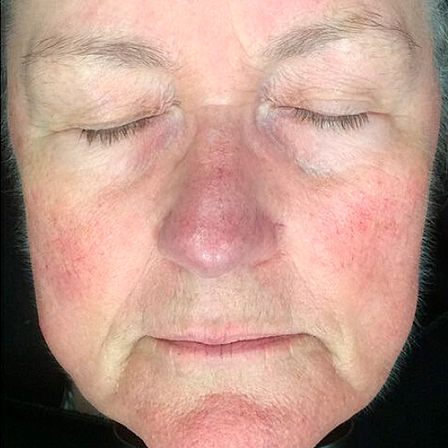
See the difference Cryotherapy makes
 After
Before
 After
Before
After
Before
Cryotherapy is used for targeted lesion treatment, but other skin concerns may require a different approach. Depending on your assessment, complementary treatments may be considered once the treated area has fully healed.
LED phototherapy may be considered as part of a wider skin programme where skin recovery or general skin health is a concern, although it is not a substitute for appropriate wound care.
Alternative removal techniques may be more appropriate for certain raised or superficial skin lesions, depending on their size, location and characteristics.
Precision plasma technology may be considered for selected superficial benign lesions where this method is appropriate. Your practitioner will determine which removal technique is most suitable following assessment.
Gentle skincare and appropriate sun protection can support the skin during recovery and help minimise unnecessary irritation once the treated area has healed.
Treatment stacking is the practice of combining different clinical modalities, either in a single session or a structured timeline to address skin health comprehensively rather than trying to fix everything with one tool.
Cryotherapy can be used for several types of superficial skin lesion. The most appropriate treatment depends on the lesion’s characteristics and whether it has been confidently identified as suitable for freezing.
Some benign lesions become uncomfortable because they catch on clothing or are repeatedly irritated by friction. Where the lesion is suitable for cryotherapy, removal may help address this ongoing irritation.
Every treatment begins with understanding the lesion you would like assessed and making sure removal is appropriate. From your initial consultation through to aftercare, we’ll provide clear advice and realistic expectations.
Advanced Pure Perfection Assessment (redeemable on treatment)
15 Minute Online Consultation
Cryotherapy
Become a member at Pure Perfection and save up to 25%!
Reap the rewards with one of our memberships today.
Make your treatment more manageable with our 0% finance options. Eligible patients can spread payments across months without interest, making aesthetic care accessible on your terms.
Curious about our treatments? Explore our FAQs below for quick answers regarding our treatment, results, and what to expect during your visit. If you need further assistance, please contact our team or book a consultation today.