Private. Personalised. Here To Support You.
Changes to intimate health can happen at many stages of life, but they are particularly common during perimenopause and menopause. Vaginal dryness, irritation, discomfort during intimacy and changes in urinary health can have a significant impact on everyday comfort, relationships and quality of life, yet many women put up with symptoms for far longer than they need to.
At Pure Perfection, our intimate health service provides a private, supportive environment where you can talk openly about the changes you are experiencing. We begin with a comprehensive consultation to understand your symptoms, medical history and wider health before discussing the most appropriate treatment or management options for you.
Your intimate health journey begins with a confidential consultation and individual assessment. Below is an overview of what you can typically expect, although recommendations will depend on your symptoms, medical history and individual needs.
Intimate health can change for many reasons, including ageing, childbirth and hormonal changes during perimenopause and menopause. As oestrogen levels fall, the tissues in and around the vagina can become thinner, drier and less elastic. This can contribute to symptoms including dryness, burning, irritation, discomfort during sex and changes in urinary health.
These symptoms are common, but that does not mean they should simply be accepted as part of getting older. The first step is understanding what is causing them. During your consultation, we'll consider your symptoms in the context of your wider health so that any recommendations are appropriate for you.
Your appointment begins with a confidential conversation about the symptoms you have been experiencing, when they started and how they are affecting your everyday life. We understand that intimate concerns can sometimes feel difficult to discuss, so consultations are approached sensitively and without judgement.
Your practitioner will also review relevant medical history, medications, menopause symptoms and any previous treatments you have tried. Depending on your symptoms and clinical needs, further assessment or investigation may be recommended before treatment is considered.
Once we understand what may be contributing to your symptoms, we'll explain the options available and develop an appropriate plan. This may involve intimate health treatment, menopause management, vaginal moisturisers or lubricants, local hormonal treatment where clinically appropriate, or referral for further investigation when needed.
An intimate health consultation may be helpful for women experiencing vaginal dryness, irritation, soreness, discomfort during sex or changes in urinary health, particularly during perimenopause, menopause or following other hormonal changes. It may also be appropriate if intimate symptoms are affecting your confidence, relationships or quality of life and you would like to understand what support is available.
Intimate health should be treated as healthcare, not something you should feel embarrassed to discuss.We take the time to understand your symptoms rather than assuming that one treatment is right for everyone. Our approach is discreet, evidence-led and personalised, with your comfort, health and individual circumstances guiding every recommendation.
What you can expect will depend on the cause of your symptoms and the treatment or management approach recommended. For some women, improving vaginal hydration and tissue health can reduce dryness, irritation, and discomfort, making everyday life and intimacy more comfortable.
Intimate health can also change over time, particularly throughout perimenopause and menopause. Your plan can therefore be reviewed and adapted according to your symptoms, response to treatment and wider health needs.
Intimate symptoms are particularly common during perimenopause and after menopause. Falling oestrogen levels can affect the vulva, vagina, bladder and surrounding tissues, leading to a collection of symptoms often referred to clinically as genitourinary syndrome of menopause, or GSM.
These changes can include vaginal dryness, burning, irritation and discomfort during sex, as well as urinary frequency, urgency and recurrent urinary tract infections. Unlike some other menopause symptoms, vaginal and urinary symptoms may persist rather than naturally improving with time.
Treatment does not necessarily mean taking systemic HRT. Depending on your symptoms and medical history, options may include vaginal moisturisers and lubricants, local vaginal oestrogen or wider menopause treatment where appropriate.By considering intimate health alongside your wider menopause symptoms, we can help you understand the options available and determine which approach is most appropriate for you.
See the difference Intimate Health makes
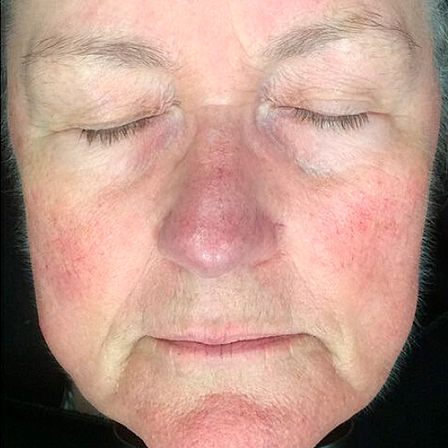 After
Before
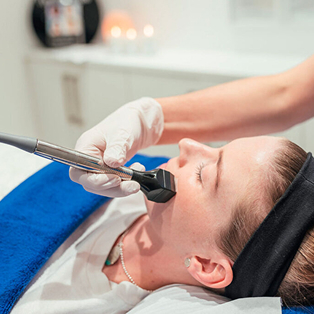 After
Before
After
Before
Intimate health symptoms do not always occur in isolation. Depending on what you are experiencing, your personalised plan may involve different aspects of women's health and menopause care rather than relying on one treatment alone.
Can work alongside a wider intimate health plan to address concerns such as dryness, discomfort, tissue changes and laxity. Treatment may use hyaluronic acid filler to support hydration and tissue quality, radiofrequency to improve firmness, or a combination of both.
Treatment stacking is the practice of combining different clinical modalities, either in a single session or a structured timeline to address skin health comprehensively rather than trying to fix everything with one tool.
Intimate health support can address a range of symptoms affecting the vulva, vagina and urinary system, with recommendations based on the underlying cause and your individual health.
Vaginal and urinary symptoms can form part of the wider changes associated with perimenopause and menopause. Considering these symptoms alongside your overall menopause health can help create a more comprehensive treatment plan.
Perimenopause and menopause can also be associated with urinary symptoms, including increased frequency, urgency and recurrent urinary tract infections. These symptoms should be properly assessed so that the appropriate management or referral can be recommended.
Hormonal changes can affect vaginal and vulval tissues, leading to dryness, tightness, burning, itching, soreness or increased sensitivity. A thorough assessment can help identify what may be contributing to these symptoms, allowing treatment to be tailored to restore comfort and support healthy vaginal tissue.
Every treatment begins with getting to know you, your concerns and the results you'd like to achieve. From your initial assessment through to aftercare, we're here to provide honest advice, personalised planning and support at every stage.
Menopause Consultation 360 Approach
Wellness Consultation 360 Approach
Vaginal Intimate Filler
Vaginal Radiofrequency Tightening
Vaginal Intimate Filler & Radiofrequency Tightening (Package)
Become a member at Pure Perfection and save up to 25%!
Reap the rewards with one of our memberships today.
Make your treatment more manageable with our 0% finance options. Eligible patients can spread payments across months without interest, making aesthetic care accessible on your terms.
Curious about our treatments? Explore our FAQs below for quick answers regarding our treatment, results, and what to expect during your visit. If you need further assistance, please contact our team or book a consultation today.