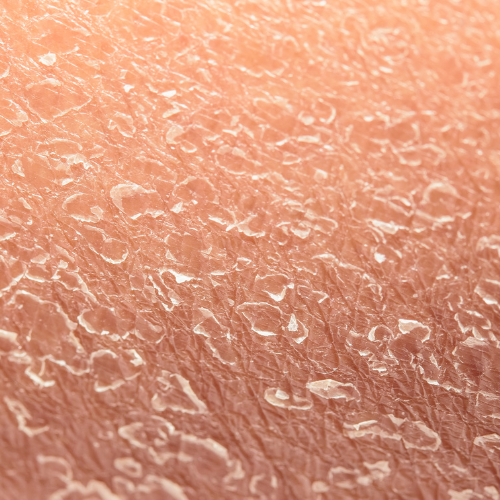
Skin that feels tight, uncomfortable or less supple than usual may be dry, dehydrated or a combination of both. You might notice flaking, fine lines, dullness or a complexion that seems to lose its healthy glow, particularly during colder weather or after changes to your skincare routine.
At Pure Perfection, we look at what your skin is lacking before recommending treatment. Restoring hydration is important, but so is supporting the skin barrier and addressing any underlying changes in skin quality that may be contributing to persistent dryness or dehydration.
What is Dry & Dehydrated Skin?
Although the terms are often used interchangeably, dry and dehydrated skin are not quite the same.
Dry skin generally lacks sufficient natural oils or lipids, which can affect its ability to retain moisture and protect itself effectively. It may feel rough, tight or flaky and can be more prone to sensitivity.
Dehydrated skin lacks water. It is a temporary skin condition rather than a skin type, which means even naturally oily or combination skin can become dehydrated. The complexion may appear dull, feel tight and show fine dehydration lines more prominently.
It is also possible to experience both at the same time.
What Causes Dry & Dehydrated Skin?
Dryness can be influenced by your natural skin type, age and changes in the amount of oil the skin produces. As we get older, changes in the skin barrier and natural oil production can make it more difficult for the skin to retain moisture.
Dehydration can be influenced by environmental conditions, central heating, cold weather, sun exposure and a skincare routine that is too harsh for the skin. Over-cleansing or using exfoliating acids, retinoids and other active ingredients too frequently can compromise the skin barrier and leave it feeling tight, sensitive or uncomfortable.
Hormonal changes, including those experienced during perimenopause and menopause, can also affect hydration, oil production and overall skin quality.
Treatments for Dry & Dehydrated Skin at Pure Perfection
Treatment starts with understanding whether your skin primarily needs hydration, barrier support or a broader approach to improving skin quality.
HydraFacial
HydraFacial combines gentle cleansing and exfoliation with the delivery of hydrating ingredients. It can help refresh skin that feels dull, dehydrated or lacklustre while supporting a smoother, more hydrated complexion.
Hydro Deluxe
Hydro Deluxe is designed to provide a hydrating, skin-refreshing treatment for complexions that feel dry, depleted or in need of additional support. Treatment can be tailored to your skin and incorporated into an ongoing plan for maintaining hydration and skin quality.
Obagi Facials
Obagi Facials can be personalised according to how your skin is behaving at the time of treatment. For dry or dehydrated skin, the focus can be placed on gentle treatment, hydration and supporting the skin barrier rather than aggressive exfoliation.
Profhilo®
Profhilo® is an injectable hyaluronic acid treatment designed to improve hydration and overall skin quality. Rather than creating facial volume in the way a dermal filler does, it can be considered when the skin is showing changes in hydration, elasticity and firmness.
Sunekos®
Sunekos® combines hyaluronic acid with amino acids and is designed to support the extracellular matrix within the skin. It may be considered when dehydration occurs alongside changes in elasticity, fine lines and overall skin quality.
Polynucleotides
Polynucleotides are regenerative injectable treatments used to support the skin’s natural repair processes and improve overall skin quality. They may be recommended when dryness or dehydration occurs alongside concerns such as fine lines, reduced elasticity or skin that looks tired and less resilient.
The right treatment does not always mean doing more. If the skin barrier is irritated or compromised, we may initially recommend simplifying your skincare and supporting the skin before introducing stronger active products or more intensive treatments.
FAQs
What is the difference between dry and dehydrated skin?
Dry skin lacks sufficient oil or lipids, whereas dehydrated skin lacks water. Dryness is generally considered a skin type, while dehydration can affect any skin type, including oily skin.
How can I tell if my skin is dehydrated?
Dehydrated skin can feel tight or uncomfortable and may appear dull, with fine dehydration lines becoming more noticeable. Because these signs can overlap with dry or sensitised skin, a professional skin assessment can help establish what your skin actually needs.
Can oily skin still be dehydrated?
Yes. Oil and water levels within the skin are different, so it is entirely possible to have an oily complexion that is also dehydrated.
Can over-exfoliating make my skin dry?
Yes. Using exfoliating acids, retinoids or physical exfoliants too frequently can disrupt the skin barrier, leading to dryness, tightness, sensitivity and irritation. In these cases, reducing active ingredients and focusing on barrier support may be more appropriate.
Which treatment is best for dehydrated skin?
This depends on the degree of dehydration and whether other concerns are present. HydraFacial or Hydro Deluxe may be appropriate for surface hydration and refreshment, while Profhilo, Sunekos or polynucleotides may be considered when hydration is part of a wider change in skin quality.