
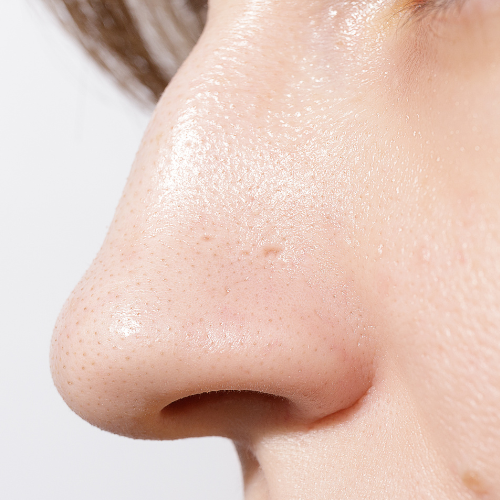
The shape and proportions of the nose can have a noticeable influence on the overall facial profile. You may be conscious of a bump along the bridge, a slightly drooping nasal tip, uneven contours or a nose that feels out of balance with your other features.
At Pure Perfection, selected nasal profile concerns can be addressed with non-surgical rhinoplasty using carefully placed dermal filler. Rather than changing the nose dramatically, treatment is planned around your existing anatomy to create a smoother, more balanced profile without surgery.
What Are Nasal Profile Concerns?
Nasal profile concerns describe aspects of the shape, contour or proportions of the nose that you may wish to improve.
Common concerns include a visible dorsal hump or bump, dips or irregularities along the bridge, asymmetry and a nasal tip that appears less defined or slightly downturned. Some people may also feel that the proportions of their nose do not balance naturally with their chin and wider facial profile.
Non-surgical rhinoplasty cannot make the nose physically smaller or address every structural concern, but strategic placement of filler can alter the way its shape and proportions appear.
What Causes Nasal Profile Concerns?
The natural shape of the nose is largely determined by genetics and the underlying structure of the bone, cartilage and soft tissues. This means concerns such as a prominent bridge or particular tip shape may simply be part of your natural anatomy.
Previous injury can also alter the shape or symmetry of the nose, while structural changes may become more apparent over time.
Because nasal anatomy varies considerably, a consultation is important to determine what is creating the concern and whether non-surgical treatment is appropriate.
Treatments for Nasal Profile Concerns at Pure Perfection
Non-Surgical Rhinoplasty
Non-surgical rhinoplasty uses strategically placed dermal filler to make subtle adjustments to the shape and profile of the nose without surgery.
Depending on your anatomy, filler may be used to smooth the appearance of a bump along the bridge, improve contour irregularities, create greater symmetry or refine the appearance of the nasal profile and tip.
Although filler adds volume rather than removing tissue, careful placement can create the visual effect of a straighter and more balanced nose. Treatment is planned alongside the proportions of the rest of your face rather than considering the nose in isolation.
Non-surgical rhinoplasty is not suitable for every nasal concern. It cannot reduce the physical size of the nose, and concerns involving breathing or significant structural changes require appropriate medical or surgical assessment.
The nose is also a complex, highly vascular treatment area. For this reason, suitability, anatomy and the risks associated with dermal filler treatment must be carefully assessed before proceeding.
FAQs
What can non-surgical rhinoplasty improve?
Depending on your anatomy, it may be used to smooth a visible bump, improve asymmetry or irregular contours and create a straighter, more balanced-looking nasal profile.
Can non-surgical rhinoplasty make my nose smaller?
No. Dermal filler adds volume and cannot physically reduce the size of the nose. However, carefully adjusting its contours can sometimes make the profile appear more balanced.
Can filler disguise a bump on my nose?
In suitable patients, filler can be placed around a dorsal hump to create a smoother line along the bridge. Whether this is appropriate depends on the size of the bump and your individual anatomy.
Is non-surgical rhinoplasty permanent?
No. Dermal filler treatment is temporary and the product gradually breaks down over time. Longevity varies between individuals.
Is everyone suitable for non-surgical rhinoplasty?
No. Some nasal shapes and structural concerns are better suited to surgical assessment. A consultation allows us to assess your anatomy, discuss what can realistically be achieved and determine whether filler is an appropriate option.