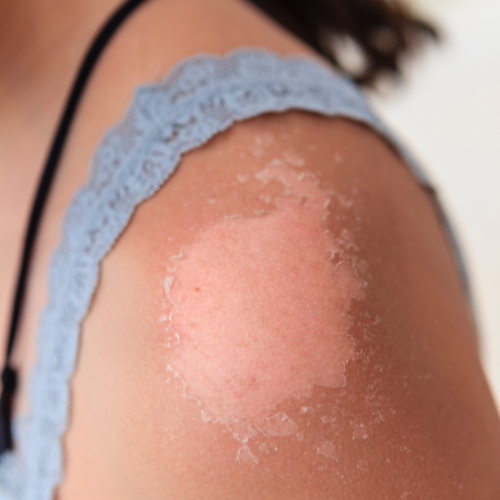
Pigmentation can appear in many different ways, from individual sun spots and freckles to larger areas of uneven tone or darker patches that develop following hormonal changes or pregnancy. For some people, pigmentation gradually becomes more noticeable after years of sun exposure, while for others it can appear relatively suddenly.
At Pure Perfection, we assess the type and likely cause of pigmentation before recommending treatment. This is particularly important with hormonally influenced pigmentation such as melasma, including pigmentation that develops during pregnancy, as it needs to be approached differently from straightforward sun damage.
What is Pigmentation?
Pigmentation refers to changes in the amount or distribution of melanin, the pigment responsible for giving your skin its colour.
When excess melanin develops in particular areas, the skin can appear darker or more uneven. This may present as freckles, sun spots, larger patches of discolouration or pigmentation left behind following inflammation.
Pregnancy pigmentation, often referred to as melasma or the “mask of pregnancy”, typically appears as symmetrical brown or grey-brown patches, commonly across the cheeks, forehead, nose and upper lip. Although it may fade after pregnancy, it can persist or recur.
Because different types of pigmentation can look similar, establishing what we are treating is an important part of creating an appropriate skin plan.
What Causes Pigmentation?
Sun exposure is one of the most common causes. UV radiation stimulates melanin production, and repeated exposure can lead to accumulated sun damage and more noticeable areas of pigmentation over time.
Hormonal changes can also influence melanin production. Melasma is particularly associated with hormonal fluctuations and can develop during pregnancy, although it can also occur at other times. Sun and visible light exposure can make hormonally driven pigmentation more noticeable.
Pigmentation can also develop following inflammation or injury to the skin, known as post-inflammatory hyperpigmentation. Acne, irritation and some skin treatments can leave darker areas behind as the skin heals.
Genetics, skin type, certain medications and other factors can also influence how prone someone is to developing pigmentation.
Treatments for Pigmentation at Pure Perfection
The right treatment depends on the type, depth and cause of the pigmentation. Melasma and pregnancy-related pigmentation require particular care, and treatment may differ from the approach used for sun spots or general photodamage.
LimeLight IPL
LimeLight IPL uses light energy to target unwanted pigmentation within the skin. It may be considered for suitable sun spots, freckles and areas of uneven pigmentation caused by sun damage.
IPL is not appropriate for every type of pigmentation, particularly some cases of melasma, which is why accurate assessment is important before treatment.
XEO Plus
The XEO Plus platform allows us to select appropriate technology according to the pigmentation and wider skin concerns present. Treatment is personalised following assessment rather than using the same settings or approach for every patient.
Obagi® Medical Skincare
A personalised Obagi skincare programme may be used to manage pigmentation and improve overall skin tone. Medical-grade skincare can be particularly important when pigmentation requires ongoing management rather than a one-off treatment.
Obagi Blue Radiance Peel
The Obagi Blue Radiance Peel provides controlled exfoliation to improve surface-level discolouration, dullness and uneven skin tone. It may form part of a wider pigmentation plan where appropriate.
Skin Needling – XCellaris Pro Twist
Skin needling may be considered when pigmentation occurs alongside concerns such as uneven texture or post-acne changes. Suitability depends on the type of pigmentation and the individual’s skin.
Pregnancy-Safe Obagi Skincare
During pregnancy, treatment options are more limited and some ingredients and procedures are not appropriate. A pregnancy-safe Obagi skincare routine can be tailored to support the skin and manage concerns such as uneven tone while avoiding ingredients that should not be used during pregnancy.
Where melasma or pregnancy pigmentation is present, the focus is often on careful management rather than trying to aggressively remove the pigment. Daily sun protection and an appropriate skincare routine are particularly important because UV exposure can stimulate further pigmentation.
FAQs
What is pregnancy pigmentation?
Pregnancy pigmentation is commonly associated with melasma, which causes darker patches to develop on areas such as the forehead, cheeks, nose and upper lip. Hormonal changes during pregnancy can stimulate increased melanin production, while sun exposure can make the pigmentation more noticeable.
Does pregnancy pigmentation disappear after giving birth?
It can fade as hormone levels change after pregnancy, but this varies between individuals. For some people, pigmentation persists or returns with sun exposure or future hormonal changes.
Can I treat pigmentation while pregnant?
Treatment options are more limited during pregnancy. Certain skincare ingredients and procedures should be avoided, so we can help create a pregnancy-appropriate skincare routine rather than automatically recommending stronger pigmentation treatments.
Can IPL treat all types of pigmentation?
No. IPL can be effective for suitable sun-induced pigmentation, but it is not appropriate for every type of pigmentation. Melasma in particular requires careful assessment because heat and light-based treatment can sometimes aggravate it.
Can pigmentation come back after treatment?
Yes. Pigmentation can recur, particularly when it is influenced by hormones or continued sun exposure. Daily broad-spectrum SPF and an appropriate skincare routine are important parts of managing results over the longer term.