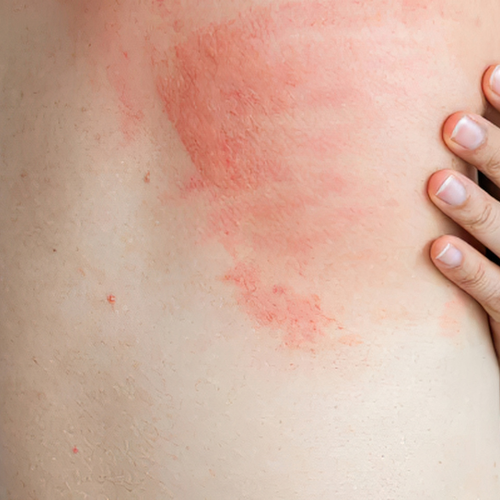
Inflamed skin can feel uncomfortable as well as look visibly unsettled. You may notice persistent redness, sensitivity, warmth, itching, dryness or areas that feel sore and reactive. Inflammation can occur temporarily when the skin barrier has been disrupted, but it can also be associated with conditions such as acne, rosacea, eczema and dermatitis.
At Pure Perfection, the priority with inflamed skin is to understand what is causing the reaction and avoid unnecessarily aggressive treatment. Depending on the symptoms, we may focus initially on calming the skin, supporting the skin barrier and reducing potential triggers before introducing treatments designed to improve longer-term skin health.
What is Skin Inflammation?
Inflammation is part of the body’s natural response to irritation, injury or other triggers. Within the skin, this response can cause redness, warmth, swelling, sensitivity, itching or discomfort.
Sometimes inflammation is short-lived. For example, the skin may become irritated after overusing active skincare ingredients, excessive exfoliation or disrupting the skin barrier.
Persistent or recurring inflammation can be more complex. Acne and rosacea have inflammatory components, while eczema, dermatitis and other medical skin conditions can also cause inflamed, uncomfortable skin. This is why identifying the underlying problem is important before deciding how the skin should be treated.
What Causes Skin Inflammation?
There are many possible causes. A compromised skin barrier can make the skin more vulnerable to irritation and environmental triggers, particularly when strong active ingredients or exfoliating products are being used too frequently.
Existing skin conditions such as acne, rosacea, eczema and dermatitis can also cause inflammation. Allergic reactions, hormonal changes, environmental exposure and certain skincare or cosmetic products may contribute.
Lifestyle and environmental factors can sometimes aggravate already reactive skin, including heat, sun exposure, stress and sudden changes in temperature.
Because inflammation is a symptom rather than one specific condition, persistent, unexplained or worsening symptoms may require dermatological assessment.
Treatments for Skin Inflammation at Pure Perfection
Inflamed skin does not necessarily need stronger treatment. In many cases, the first priority is to calm the skin and restore its barrier before considering more active procedures.
Dermalux LED
Dermalux LED provides a gentle, non-invasive approach that can be incorporated into treatment plans for inflamed or reactive skin.
Different wavelengths of light can be selected according to the skin concern, with treatment used to support the skin’s natural repair processes and help calm inflammation without creating additional trauma.
HydraFacial
HydraFacial may be considered for suitable skin where gentle cleansing, hydration and overall barrier support are required. The treatment can be tailored to the condition of the skin rather than using an unnecessarily intensive approach.
Where the skin is actively irritated or experiencing a significant flare-up, however, it may be more appropriate to allow inflammation to settle before proceeding with treatment.
Obagi® Skincare
The right home skincare routine can be particularly important for reactive or inflamed skin. Products can be selected to support the skin barrier and address the underlying concern without introducing too many active ingredients at once.
If your current routine appears to be contributing to irritation, we may recommend simplifying it while the skin recovers before gradually introducing more targeted products.
Dermatology
Where inflammation is persistent, recurring, severe or associated with a suspected medical skin condition, dermatology assessment may be the most appropriate starting point.
A dermatologist can assess conditions such as eczema, dermatitis, rosacea or inflammatory acne and recommend appropriate medical management where required. Skin treatments can then be considered alongside this where suitable.
FAQs
How can I tell if my skin is inflamed?
Inflamed skin may appear red, swollen or flushed and can feel warm, sensitive, itchy, tight or sore. Symptoms vary depending on what is causing the inflammation.
Can skincare cause inflammation?
Yes. Overusing acids, retinoids, exfoliants or multiple active products can disrupt the skin barrier and lead to irritation and inflammation. Certain ingredients may also trigger reactions in sensitive skin.
Should I exfoliate inflamed skin?
Usually, adding more exfoliation to already irritated skin is not the first priority. It may be better to simplify your routine and support the skin barrier until inflammation has settled.
Can LED treatment help inflamed skin?
Dermalux LED may be incorporated into a treatment plan to support the skin’s natural repair processes and calm inflammation. Suitability depends on what is causing the inflammation.
When should I see a dermatologist?
Persistent, worsening or recurrent inflammation should be assessed, particularly if you are experiencing significant itching, pain, swelling, blistering, weeping, crusting or an unexplained rash. Dermatology assessment can help identify the underlying condition and determine appropriate treatment.